
Consciousness and Language

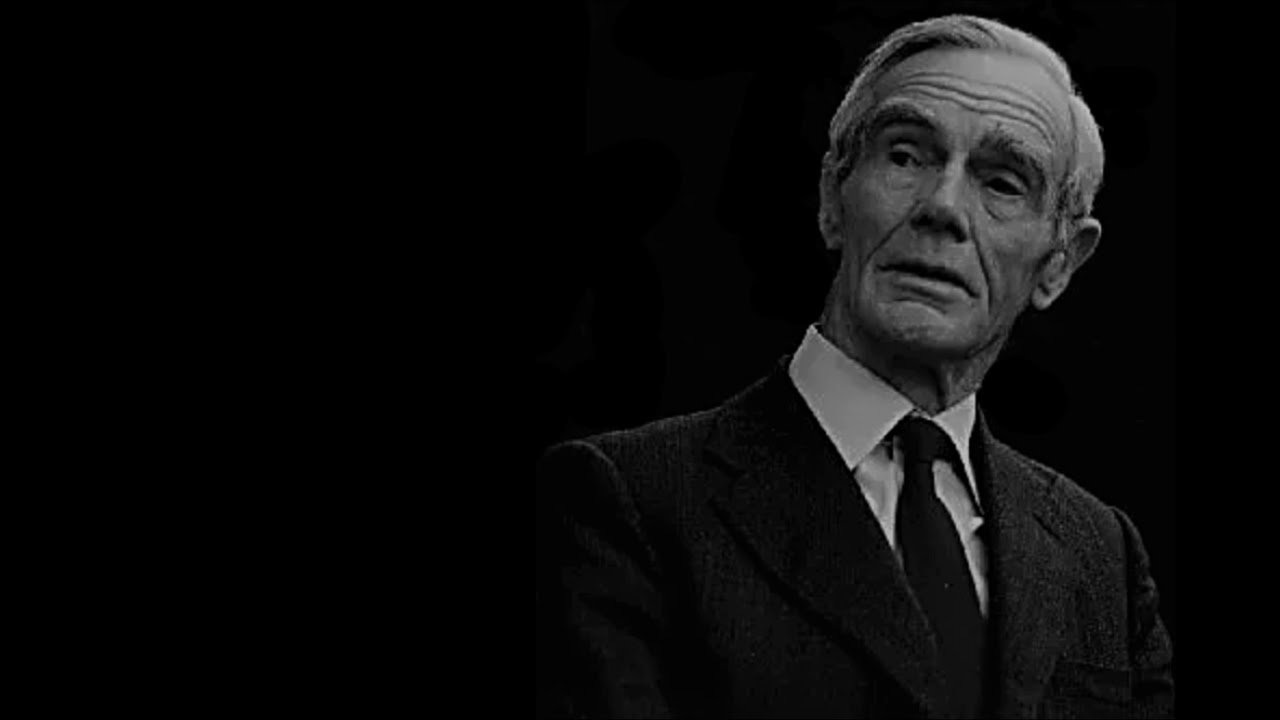
FOLLOWING on from what I said yesterday about Owen Barfield's (1898-1997) lifelong explication of the evolution of consciousness, something he was invited to speak about in Vancouver during the Autumn of 1978, the second lecture he gave was entitled 'Modern Idolatry: The Sin of Literalness'.
As we have seen, Barfield believed that it is possible to trace the evolution of consciousness through the development of human language. He was especially interested in the sudden change of emphasis between our pre-historical dependence on perception and then, at the dawn of history, the appearance of active thought.
Barfield states in his second lecture that a failure to appreciate the important role of language or the fact that our ancestors possessed a different consciousness to that of our own, results in our being incarcerated within the modern principle of reality and what he termed "the age of Darwinian man". As he told his listeners, to adhere to purely contemporary standards
"assumes that it is the outer world that is real and permanent, while the inner experience we call consciousness, or subjectivity, or our own, or our self, is a fleeting unreality to which it somehow gives birth from time to time."
Alternatively, for our ancestors there was no "outer world" and it was regarded as something both impermanent and immaterial.
What Barfield was implying by the term 'Idolatry' in the title of his speech, is that the sacred images that were perceived by our more earthly forebears in the dim and distant past have since been transformed into 'things'. These objects, for modern man, have become articles of veneration and, thus, constitute a form of idolatry.
Furthermore, to fetishise the received items of the "outer world" by presenting them in an altogether different context is to commit a 'sin'. Barfield was adamant that modern mankind's tendency to worship idols in this fashion is a form of escapism and therefore an attempt to avoid confronting the more authentic reality of the existential self. Identification with the idols of the "outer world" - be they motor cars, gold coins or the latest internet fad - merely facilitates a despicable 'guilt' that arises from a lack of personal awareness.
Meanwhile, what Barfield calls the 'Sin of Literalness' manifests as a form of self-hatred as the individual realises in the depths of his or her heart that there has been a complete failure to take responsibility either for oneself or for others. Interpreting things literally, rather than figuratively, means that we inevitably come to rely on that which is abstract. The literal, he said, brings about the unfortunate demise of the metaphor and it is this which must remain an inescapable part of human perception.