
Fluidity beyond Gender

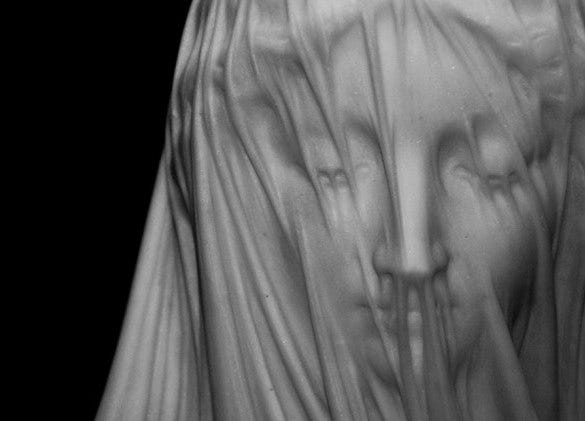
THE notion of gender fluidity - in theory, at least - rests on the idea that an individual's identity and/or expression may alter over time. The 'identity' component relates to how one might perceive the self in terms of biology or psychology, whilst the term 'expression' is connected to the manner in which it manifests (perhaps as a temporary housemaid, or weekend racing driver).
From a Traditionalist perspective, a distinction must be made between the outer, empirical self of the everyday world and the more essential Self that lies within. When somebody claims "I am being myself," for example, it implies that he or she is referring to the lower case self and thus the truly authentic Self does not enter into the discussion. So-called 'self-realisation,' when framed within this decidedly profane and limitational context, means nothing other than the ego deciding that it has discovered its own identity. The seeker therefore becomes the object of its own search which, apart from being absurd, is altogether different from the actualisation of the true Self. The latter, which involves ascertaining the very core of one's innermost Being, is presented by Novalis as a form of mystical exposure. As he explains in his 1799 work, Lehrlinge zu Sais:
"A man succeeded in lifting the veil of Sais [Isis]. But what did he behold? He beheld – oh, miracle of miracles – himself."
Although the Veil of Isis is a metaphor for the unattainability of nature's secrets, the recognition of our true character involves an understanding of nature in a more transcendent and incorporeal setting. Only then can fluidity - in this case, interaction between the two realms of human existence - be said to have a bearing upon the ultimate determination of the individual.