
Google's New Reality

I'M sure that most of you in the English-speaking world have heard the amusing tale of how a certain Doctor Foster went to Gloucester and had an accident in the rain, but insert the name of our legendary medical practitioner into Google and we are informed that he is now a she and that the name is connected with a BBC television series. Indeed, it is not until the very foot of the seventh page of search results that Doctor Foster is said to relate to a famous Victorian nursery rhyme. This is not the first time that I have mentioned this trend, of course, and I can hardly be accused of showing my age if I was not even around when the verse first appeared back in 1844, but to repeat what I said a few years ago,
"the enormous scale on which this supplantation has taken place indicates that a systematic attempt is being made to completely obfuscate our heritage, our traditions and our beliefs. No wonder the average person thinks that Loki is a film character, that Nietzscheans are a race of aliens from a trashy science-fiction series and that dwarves begin and end with Hollywood."
In cultural terms, the fact that the internet has been swamped with trivial junk means that the twenty-first century has become a kind of millennial Year Zero. In other words, the fact that cultural references are rapidly disappearing means that young minds are left facing an alarming form of contemporary fluidity.
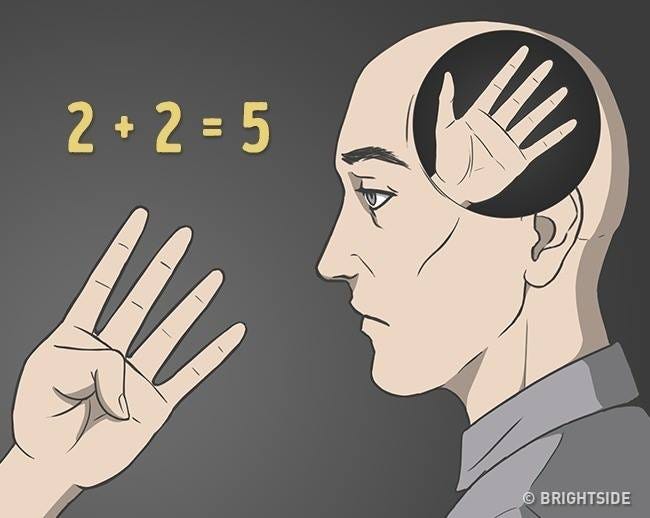
In a climate in which everything becomes short-sighted and impermanent, the entire foundation of our personal and collective identity - as well as one's place in the world - is eroded. Worse still, perhaps, reinterpreted. As George Orwell explained, "the past was erased, the erasure was forgotten, the lie became the truth." It's a terrifying thought.