
Incriminating Laughter

THE straight-faced presenter of a BBC radio programme who managed to interview a tourette’s sufferer without descending into a fit of hysterical giggles has certainly earned my respect. I don’t believe that such people deserve to be ridiculed, of course, but when somebody says the word ‘biscuit’ once every four or five seconds - not to mention less frequent interjections such as ‘hedgehog’ and ‘cats’ - it seems almost impossible to ignore what is going on and conduct a normal conversation. Saying that, by the time the interview had concluded my sense of humour had dissipated completely and I was beginning to find it incredibly irritating.
It must be awful for those people who have to live with this terrible affliction, but it set me thinking about political correctness. Given that certain words and attitudes are gradually being outlawed, meaning that our natural ability to distinguish between different races is being rigorously censored, often requiring the total suspension of basic common sense, then not only is it impossible to police those who suffer from tourette’s syndrome - and I have seen one or two of them use racist terminology elsewhere - but how on earth would Big Brother set about preventing spontaneous laughter from the rest of us? Not calculated laughter based on cruelty and insulting behaviour, but that which is completely extemporaneous and unpremeditated.
I suppose a person would be considered highly juvenile if the laughter was sustained beyond a certain point, but attending a formal gathering in which you were informed that black was white, white was black, women were men and men were women might be like telling children to stand in silence outside the headmaster’s office and contain their hilarity at the antics that had led them there in the first place.
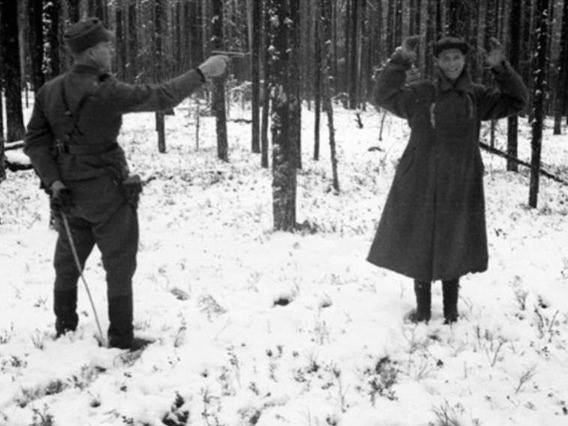
Saying that, by the time this happens most of us from the old-school would have died out completely and the Establishment will have several new generations of humourless young people who only laugh when they are told to do so or when they think it’s socially acceptable. Modern, sanitised comedy being a case in point. In a totalitarian state, the expression ‘die laughing’ could take on a whole new meaning.
Yes, BBC is false. Trynig to pretend they do not find it eccentric. That privilege belongs to someone who loves a person with Tourettes. I have seen this, and the Tourettes is seemingly not there for them. , like an accent different from one's own in an old friend. Or disfigurement in a face of a loved one. The BBC. The mainstream mass media. Carriers of the soul-disease, fatal, of the megamachine.