
The Repression of Language

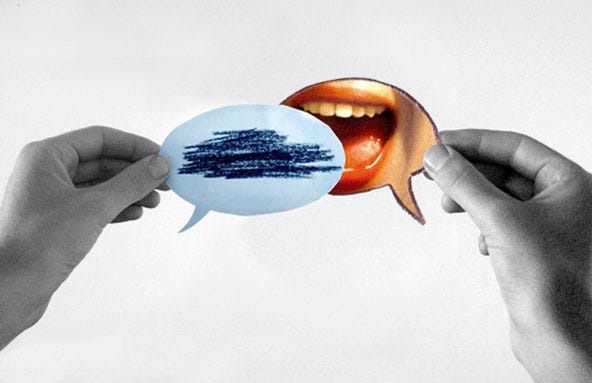
I WAS using a spell-checker in relation to some editing work and having an intermittent conversation with my wife about academic procedure demanded by state departments, colleges and universities with regard to the desired appearance of footnotes and endnotes, and it occurred to me that our increasing dependence upon this kind of literary standardisation is likely to have serious ramifications in the future.
Many spell-checkers do not include swear-words or even quite seemingly innocuous references to genitalia, even though they are a fundamental part of our language. Perhaps, in years to come, those words and phrases considered either ‘sexist’ or ‘racist’ will also be eradicated from this stringently confined electronic vocabulary.
In Portugal, for example, the indigenous (European) language is being affected by State legislature demanding that people use Brazilian Portuguese for official documentation, instead. Given the mass Brazilian immigration that has been imposed on this little country over the last few years, there are obvious economic motives behind this destructive linguistic process. The curse of globalisation and humanity’s increasingly enforced reliance upon standardised procedure will, no doubt, spill over into the spoken domain and people will end up self-policing themselves lest they offend others or incur the repressive judicial wrath of the Establishment.
The media is already hastening this process day by day and there are plenty of unwitting morons on Twitter and Facebook that draw us ever-closer to increased government-compelled silencing. I have mentioned some of these issues before, in relation to ‘upspeak’ (or what is more officially known as ‘high rising terminal’) and other recent tonal developments in spoken language.